










Today, Buying Better Has Become a Priority — For Yourself, Your Comfort, and the Planet
But with such an overwhelming range of options, how do you tell the difference between a quality garment and a disposable piece?
Spotting well-made clothing requires a bit of attention and some basic knowledge. This practical guide will give you the keys to identifying good pieces — the ones that last, are kind to your skin and the environment, and truly justify their price.
Overall Look: A Clean Drape, a Sharp Cut
A quality garment stands out at first glance. It falls naturally, fits the body without sagging, pulling, or odd wrinkles.
What to look for:
-
The garment is symmetrical.
-
The cut is clean, with no excess thread or fabric.
-
The fabric holds its shape even after trying it on.
For example, a well-tailored shirt shows in the fall of the collar and the alignment of the sleeves. A good pair of trousers won’t twist at the legs and stays sharp-looking even after hours of wear.
Tip: hang the garment on a hanger and take a step back. A well-cut piece will look balanced and visually harmonious.
At Angarde, every piece is carefully designed to offer an elegant, timeless cut that’s suited for daily wear.
Fabric: Natural, Durable, and Breathable
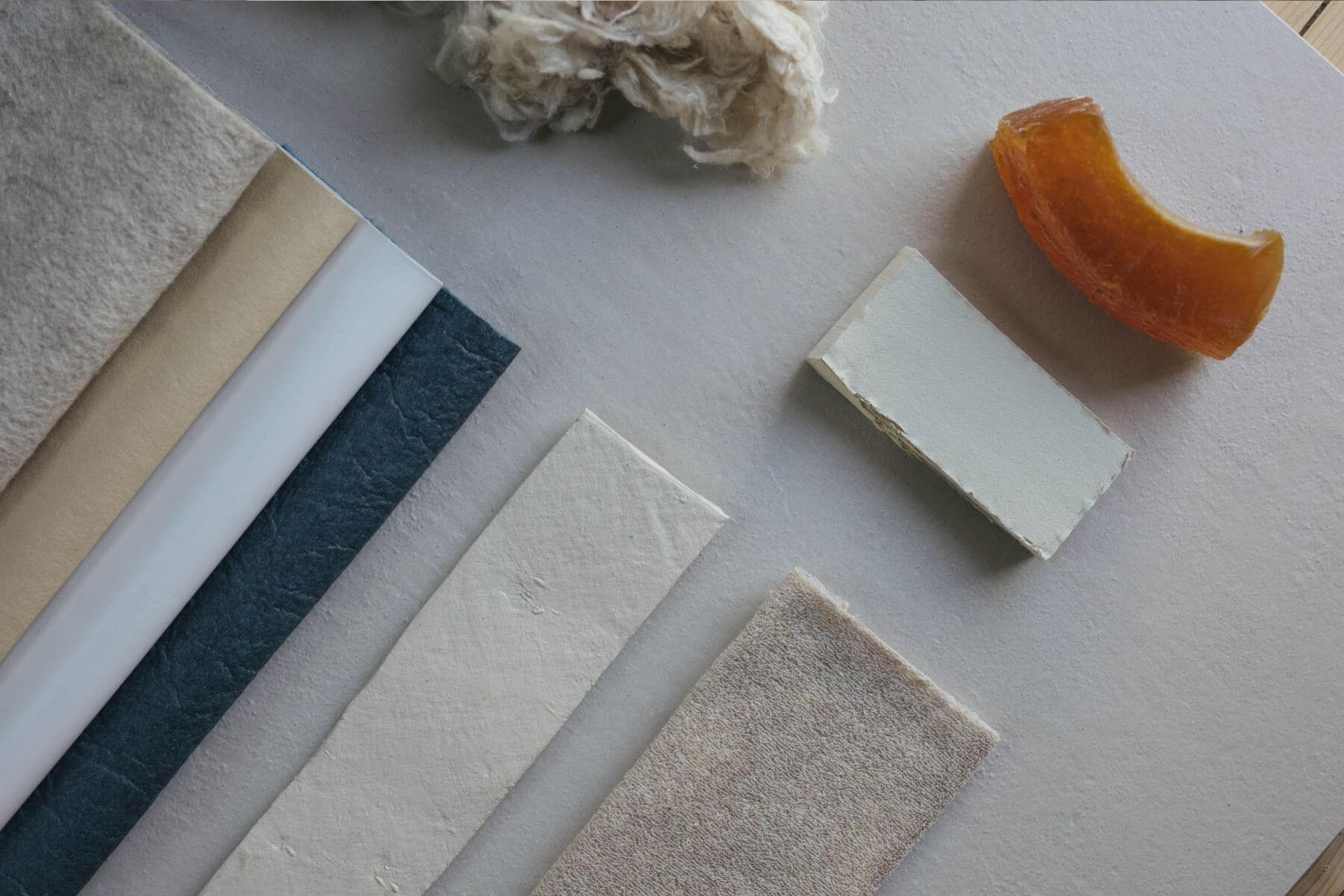
The material is key to a garment’s durability. Choose natural or recycled fabrics that are strong, breathable, and age well.
Preferred materials:
-
Organic or recycled cotton
-
Wool (virgin or recycled)
-
Linen, hemp, Tencel
Avoid:
-
Cheap synthetic fibers (acrylic, low-grade polyester)
-
Blends that are hard to recycle
Practical tip: Quality fabrics feel dense to the touch, don’t wrinkle too much, and bounce back into shape easily. Try crumpling the fabric in your hand for a few seconds — if it creases heavily, it may age poorly.
Natural fabrics like organic cotton or linen also bring real everyday comfort: breathability, softness, and no harmful chemicals.
At Angarde, we choose responsible materials like organic cotton to reduce our environmental impact — without compromising on quality.
Seams: Clean, Strong, and Discreet
A good garment is the result of precise, solid assembly. The seams should be:
-
Straight and even
-
Tight and closely stitched
-
Reinforced at stress points (shoulders, sleeves, crotch)
Shopping tip: Always turn the garment inside out and check the interior. Poor-quality items often reveal their flaws on the inside: loose threads, weak seams, crooked tags.
In contrast, a high-quality garment looks just as refined on the inside: neat seams, consistent stitching, subtle finishing.
The Wash Test: A Garment That Lasts Must Withstand Washing
A quality garment should survive multiple washes without:
-
Shrinking
-
Losing shape
-
Pilling
-
Fading
Practical tip: Check the care label. If it requires overly delicate maintenance (hand-wash only, no tumble drying, complex ironing), it may not be very practical. A good balance between longevity and care instructions is a sign of quality.
At Angarde, all materials and finishes are tested to ensure long-lasting performance. That means you keep your clothes longer — and buy less over time.
Finishes: Buttons, Labels, Hems… The Little Details That Matter
Quality often lies in the details:
-
Buttons sewn securely, with reinforcement
-
Zippers that glide easily and feel sturdy
-
Labels sewn on neatly
-
Hems finished cleanly, no stray threads
Tip: Gently tug on a button or zip up a zipper before buying. You’ll know instantly whether it’s sturdy or flimsy.
A quality garment is designed to be worn again and again — and the small details shouldn’t become weak spots.
Traceability and Place of Production
A well-made piece is also a transparent one. The label should tell you:
-
Where the materials come from
-
Where the piece was made
-
Any certifications (GOTS, OEKO-TEX, etc.)
At Angarde, all our garments are made in Portugal in trusted partner workshops. Transparency and traceability are at the core of our values.
Buy Less, But Better
Recognizing quality means investing in garments that will stay with you — and respect both the planet and the people who make them.
Smart shopping tips:
-
Compare price not just to brand, but to actual durability.
-
Buy less often, but better.
-
Go for timeless pieces (white shirt, tailored pants, classic jacket) rather than fast fashion.
-
Don’t hesitate to shop secondhand: a well-made item holds its value over the years.
At Angarde, every garment is built to last — timeless design, responsible materials, and quality finishes. A durable wardrobe that meets your highest expectations.
In Summary: How to Spot a Quality Garment
-
Look at the cut and drape
-
Check the fabric and its composition
-
Inspect seams and finishing
-
Evaluate wash resistance
-
Consider the garment’s ethics and traceability
Buying better means taking care of yourself — and supporting a more ethical, sustainable fashion industry.
Final Tip: Choose with Intention
Whether you’re shopping for a well-fitted tee, a warm winter sweater, or a standout wardrobe staple, keeping these criteria in mind will help you make smarter choices. From big-name brands to small designers, options abound — the key is to read between the lines: feel the fabric, ask about composition, and compare based on your real needs.
Our advice: Focus on timeless pieces, learn more about traceability, and always touch the fabric before buying — how it feels is often the first sign of quality.
And remember: whether you're shopping for men’s or women’s clothing, investing in durable fashion is a powerful step toward a more responsible future.


