







In the modern textile industry, where materials range from cotton and viscose to generic lyocell and synthetic fibres, labels are multiplying. Yet few of them guarantee full traceability, environmental responsibility, fibre quality, and a truly eco-friendly production process.
This is exactly what the Lenzing certification provides—an internationally recognised label that we have chosen for our Tencel products, one of the most responsible fibres in sustainable fashion.
Often mentioned but rarely explained, this certification is built on a set of technical, environmental and social requirements that make Tencel® a responsible and exemplary material within the textile industry.
In this article, we detail what the certification guarantees, how it works, and why we chose Lenzing-certified Tencel® for our oxford pieces.
1. Lenzing: a global benchmark in cellulosic fibres
A pioneering company for more than 80 years
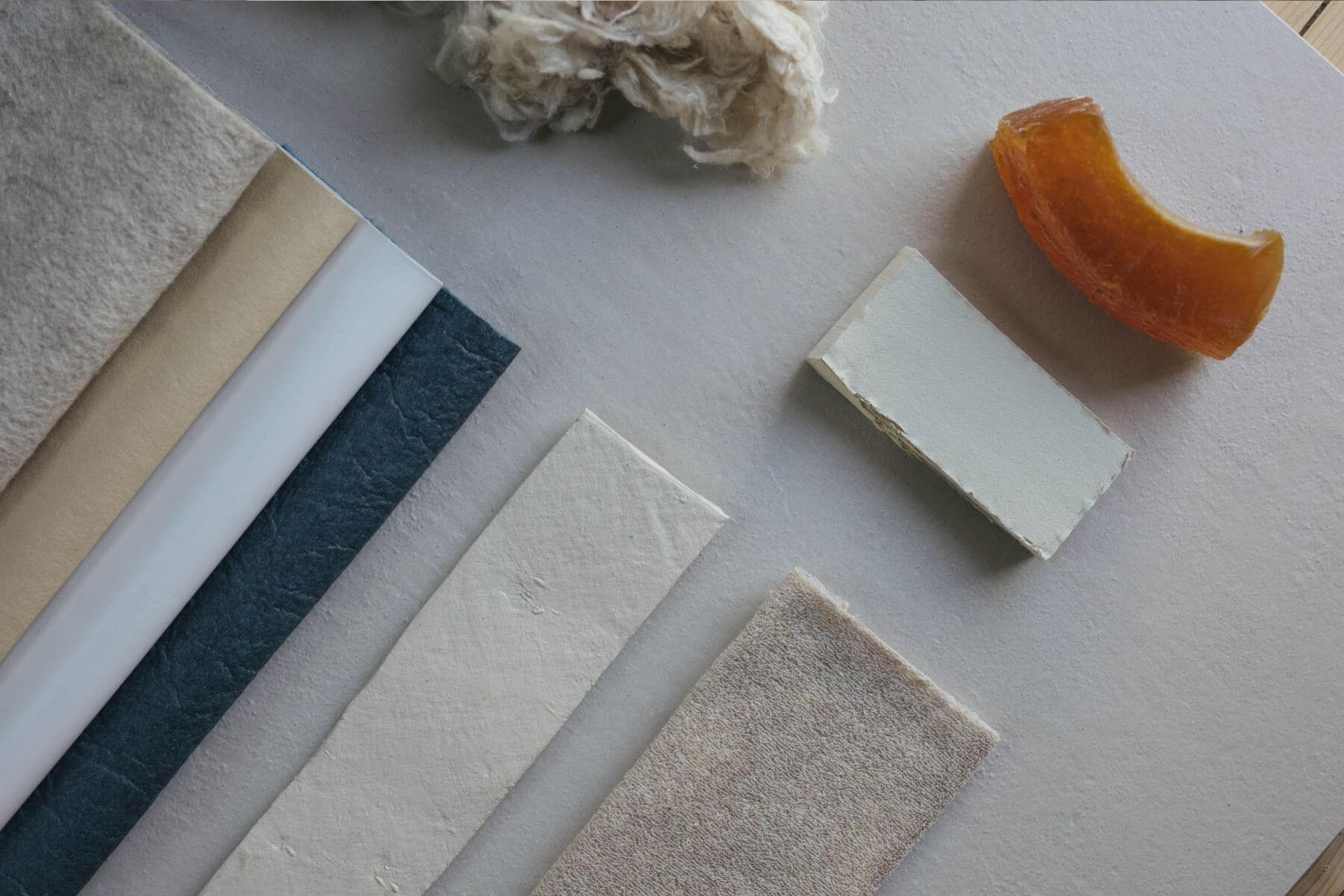
Lenzing AG is an Austrian group specialising in sustainable cellulosic fibres since 1938. It is globally renowned for its expertise in transforming wood pulp into eco-friendly textile fibres used in fashion, apparel and other industries.
Unlike many low-grade viscose or lyocell producers, Lenzing controls the entire production chain—from wood sourcing to the finished textile fibre. This end-to-end control ensures consistency, transparency and quality that have become a reference in responsible fashion.
A proprietary, stringent and strictly audited certification
Lenzing certification is not just a marketing label:
it is proof of full traceability and fibre authenticity.
For a textile to bear the name TENCEL™, it must:
-
use fibres produced exclusively by Lenzing AG;
-
comply with strict textile processing standards;
-
guarantee documented traceability at every production stage.
This certification prevents any substitution with generic lyocell, non-sustainable artificial fibres, or undeclared blends—common practices in non-certified textiles.
2. A fibre sourced from certified, sustainably managed forests
Controlled and documented origins
Lenzing-certified Tencel production begins in forests specifically cultivated for textile manufacturing. These forests are certified by:
-
FSC® (Forest Stewardship Council)
-
PEFC™ (Programme for the Endorsement of Forest Certification)
These highly recognised sustainability labels guarantee:
-
zero deforestation,
-
responsible soil management,
-
preserved biodiversity,
-
systematic replanting.
Pine, eucalyptus and bamboo: responsible species
Lenzing uses species known for their natural yield and low environmental impact:
-
rapid growth,
-
very low water consumption (no intensive irrigation),
-
non-GMO cultivation,
-
little to no chemical inputs.
Eucalyptus is especially ideal for producing an eco-friendly lyocell: it grows without pesticides and creates a fibre far more sustainable than conventional viscose.
3. A unique production process: closed-loop lyocell
At the heart of the Lenzing certification lies an innovative lyocell process recognised as one of the cleanest in the world.
A non-toxic solvent recovered at 99.77%
Tencel uses a biodegradable solvent, NMMO, recovered at 99.77% and reused continuously. This near closed-loop system ensures:
-
virtually no water or air emissions,
-
minimal use of new resources,
-
a dramatic reduction in pollution compared with conventional viscose or modal.
A closed-loop system recognised by experts
The European Commission has listed Lenzing’s lyocell technology among its Best Available Techniques (BAT).
Thanks to this innovation:
-
water consumption is up to 20 times lower than cotton,
-
pollutant emissions are very limited,
-
production is clean and fully controlled.
It is now one of the best alternatives to polluting textile fibres, especially classic viscose and certain synthetics.
4. A fibre that remains traceable and verifiable at every stage
Lenzing certification also relies on an internal identification system embedded directly into the fibre. This allows any textile to be authenticated—even after weaving, dyeing or manufacturing.
This system prevents:
-
counterfeiting,
-
undeclared blends,
-
substitution with generic lyocell,
-
loss of traceability, a widespread issue in global textile supply chains.
Each partner (such as Somelos in Portugal) must follow strict protocols, undergo audits, and provide proof of compliance at every stage of textile transformation.
5. Strong environmental and social commitments
The Lenzing certification goes beyond ecological performance: it also includes social responsibility standards.
Certified Lenzing facilities must:
-
comply with International Labour Organization (ILO) standards,
-
guarantee safe working conditions,
-
ensure fair remuneration,
-
reduce the use of fossil fuels,
-
follow a CO₂ reduction plan.
Lenzing is one of the most advanced players in the sustainable textile sector towards carbon neutrality.
6. Why we chose Lenzing-certified Tencel
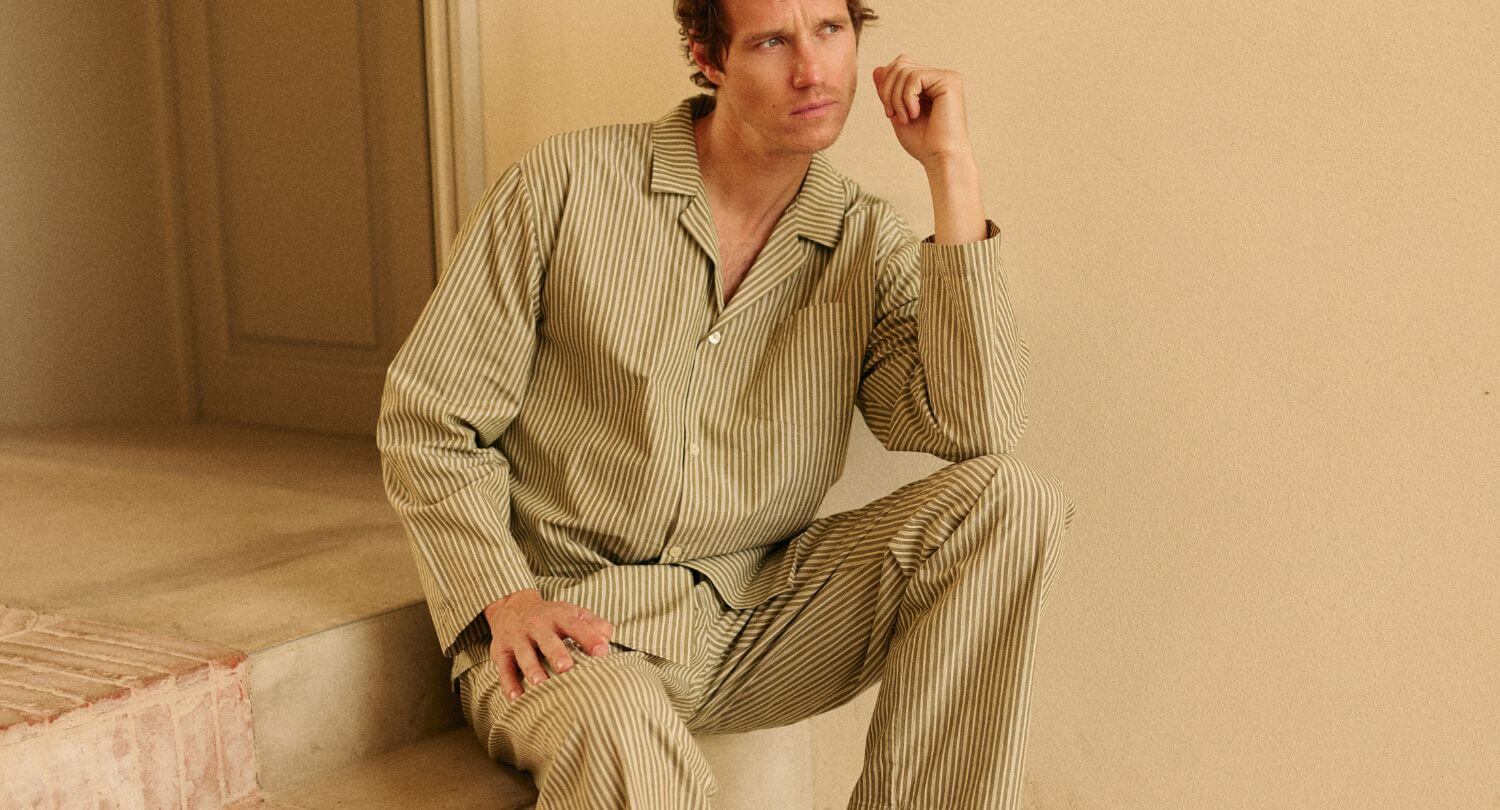
For our oxford pieces, we selected Tencel sourced from Somelos, a renowned Portuguese mill known for its expertise in high-quality weaving.
For fibre quality
Tencel is:
-
strong,
-
soft,
-
breathable,
-
fluid,
-
hypoallergenic,
-
easy to care for,
-
low-crease,
-
ideal for sensitive skin.
Its performance surpasses many common natural and synthetic fibres.
For its sustainability
-
closed-loop process,
-
low CO₂ impact,
-
no intensive irrigation,
-
full traceability.
For oxford weaving
Traditionally used in premium shirting, oxford is:
-
durable,
-
resistant,
-
flexible,
-
extremely comfortable.
It enhances the natural qualities of Tencel to create an elegant, long-lasting fabric.
7. What Lenzing certification guarantees to our customers
-
Full transparency on sourcing and production
-
Minimal environmental impact, far lower than cotton or conventional viscose
-
Safe textiles, free from toxic residues and hazardous solvents
-
A durable, high-quality, breathable and resistant material
-
Tamper-proof traceability, preventing greenwashing or hidden blends
Conclusion: Lenzing certification, a standard of excellence
Choosing Lenzing-certified Tencel means choosing a fibre that is: responsible, clean, traceable, durable, soft, breathable and comfortable.
In a world where transparency and sustainable fashion are becoming essential, this certification represents far more than a label, it is a clear, verifiable commitment, fully aligned with our values.


